Morgan Baumann · 13 September 2026
Grape by Grape: Documenting Marilo's Winemaking Rituals in the Digital Age
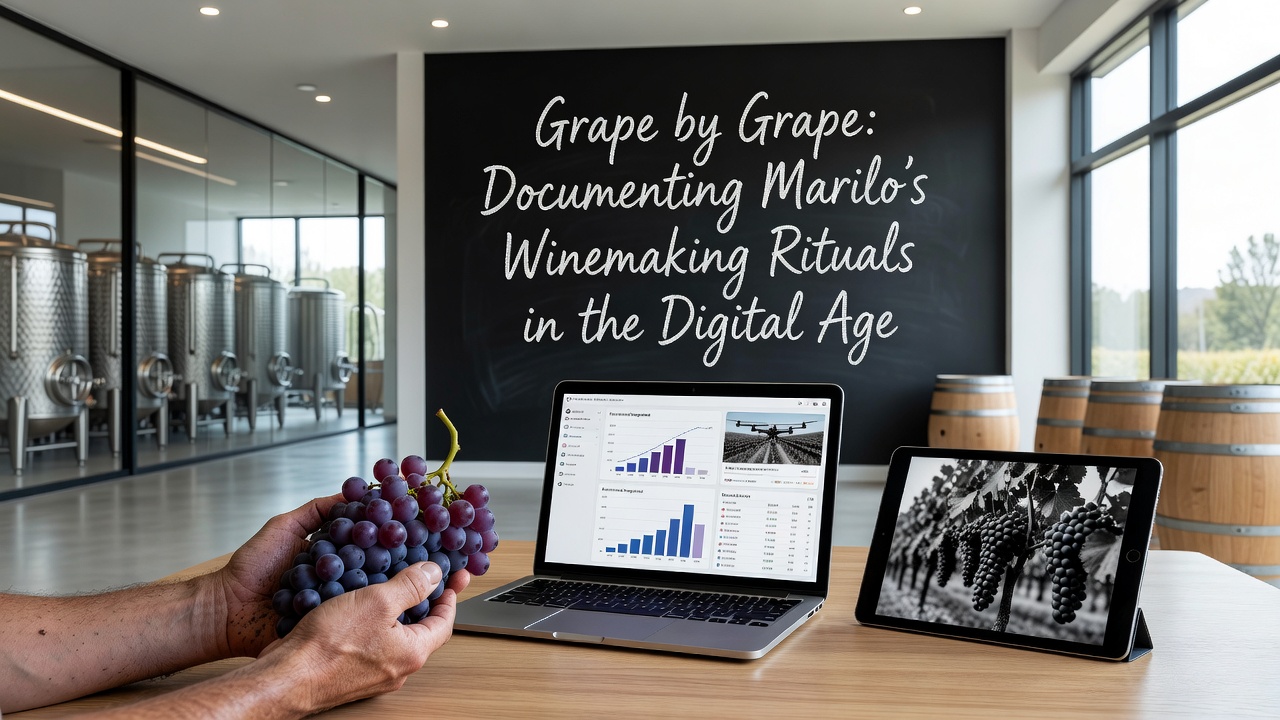
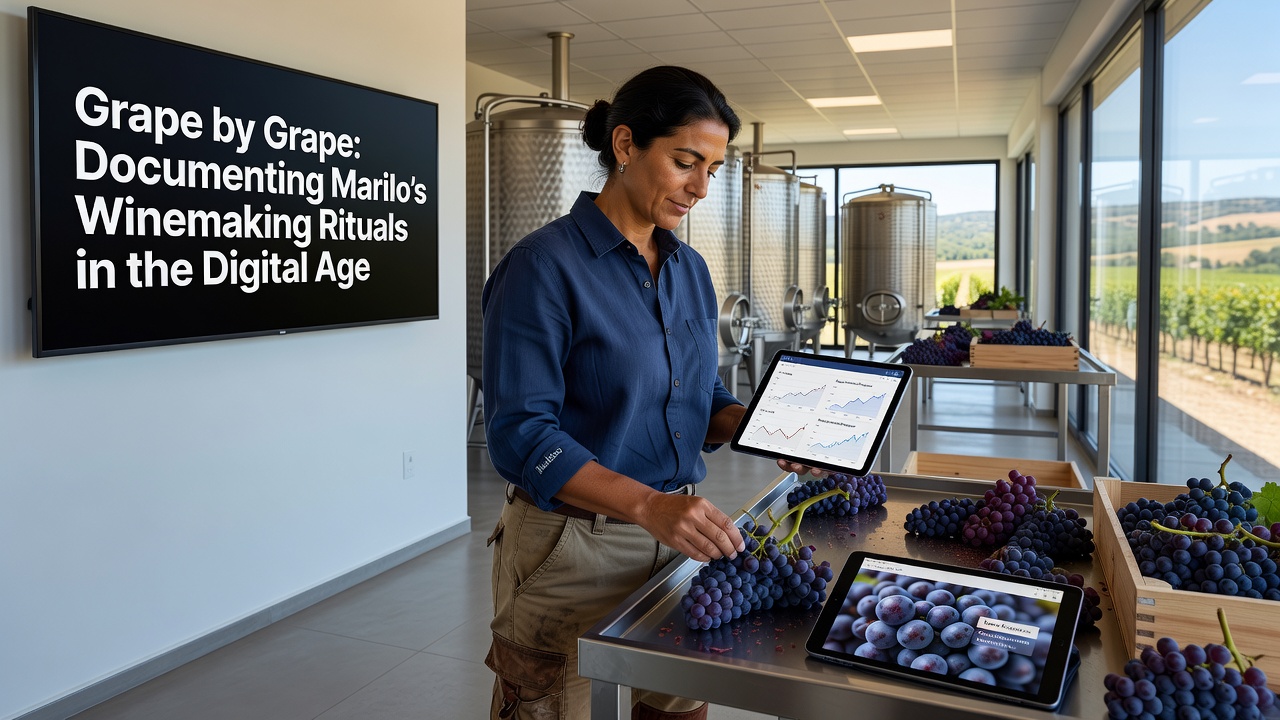
Marilo maintains a sequence of winemaking rituals that stretch from early morning vineyard walks through fermentation monitoring and barrel selection, and these practices now receive systematic digital recording through high-resolution video, sensor networks, and cloud-based archives that capture every stage without interrupting the physical work itself. Observers note that the integration of these tools began several years ago when Marilo started logging soil moisture and temperature variations alongside handwritten notes, yet the shift accelerated once portable cameras and mobile applications allowed real-time annotation during each ritual step. Researchers at institutions focused on agricultural heritage have tracked similar transitions across multiple Italian estates, and the resulting datasets reveal consistent patterns in how digital layers preserve procedural details that might otherwise fade across generations. The process starts with grape selection, where Marilo examines clusters for ripeness indicators such as skin thickness and sugar concentration before any mechanical harvest begins. Digital documentation captures this through time-stamped footage synced to laboratory readings uploaded directly from handheld refractometers, creating a layered record that links visual assessment to quantitative metrics. Those who have reviewed the archives point out that the combination allows later analysis of how subtle decisions during selection influence final wine profiles, and the same approach extends to pruning cycles and canopy management where drone imagery supplements ground-level observations. Fermentation rituals follow a parallel track of observation and adjustment, with Marilo monitoring vat temperatures and cap management through both tactile checks and automated probes that stream data to a central dashboard. Video logs document the timing of punch-downs and the addition of indigenous yeasts, while metadata tags connect each action to environmental conditions recorded at the same moment. Studies conducted by the International Organisation of Vine and Wine show that estates employing comparable sensor integration report improved traceability, and Marilo's records contribute to broader datasets used for regional comparisons across Mediterranean growing zones.Archiving and Accessibility
Once fermentation completes, the documentation shifts toward barrel aging and blending decisions, where Marilo evaluates oak influence through periodic sampling and sensory evaluation recorded on tablets that timestamp each tasting note. These entries feed into a searchable database that cross-references chemical analyses with descriptive language, allowing remote collaborators to review the progression without physical presence. The reality is that such systems reduce reliance on individual memory while still requiring the winemaker's direct involvement at every critical juncture, and September 2026 marks the scheduled release of an updated platform that will incorporate machine-learning suggestions for cross-vintage pattern recognition drawn from Marilo's accumulated files.
Access to portions of the archive has expanded beyond internal use, with selected sequences shared through controlled portals that maintain proprietary details while illustrating ritual sequences for educational purposes. Academic partners have incorporated excerpts into courses on digital ethnography in viticulture, and one study from Cornell University's Department of Food Science examined how timestamped sensory logs correlate with measurable polyphenol development during aging. The findings indicate that digital continuity strengthens the ability to replicate successful outcomes across variable harvest conditions, and Marilo's dataset serves as one reference point among several estates contributing comparable material.
Challenges in Digital Integration
Integration has not occurred without adjustments, because initial attempts to overlay digital tools onto established rituals occasionally disrupted the physical flow until camera placements and sensor calibration became routine. Staff training sessions addressed interface navigation and backup protocols, while periodic audits ensure that recorded files retain fidelity over extended storage periods. Those managing similar projects elsewhere report that redundancy across local servers and distributed cloud services provides the most reliable safeguard against data loss during seasonal peaks.
Regulatory frameworks in the European Union continue to shape how such documentation may be shared or retained, particularly when geographic indications or traditional methods receive protected status. Compliance requires clear attribution of source material and controlled access tiers, and Marilo's team has aligned its archive structure with these requirements through metadata standards that distinguish proprietary techniques from publicly shareable process descriptions. The approach mirrors practices documented in reports from the Australian Wine Research Institute, where comparable digital preservation efforts support both internal quality control and external verification processes.
Conclusion
The ongoing documentation of Marilo's winemaking rituals demonstrates how digital tools can extend the lifespan of procedural knowledge without replacing the tactile expertise at its core, and the September 2026 platform update will likely accelerate pattern analysis across accumulated records. External links to organizations such as the International Organisation of Vine and Wine and Cornell University research provide context for the broader movement toward integrated archiving in viticulture, while the specific sequences captured in Marilo's archive continue to supply granular examples of ritual continuity in practice. Observers expect further refinements in sensor resolution and annotation interfaces to maintain alignment between physical actions and their digital counterparts as the project evolves.