Greta Zimmermann · 1 September 2026
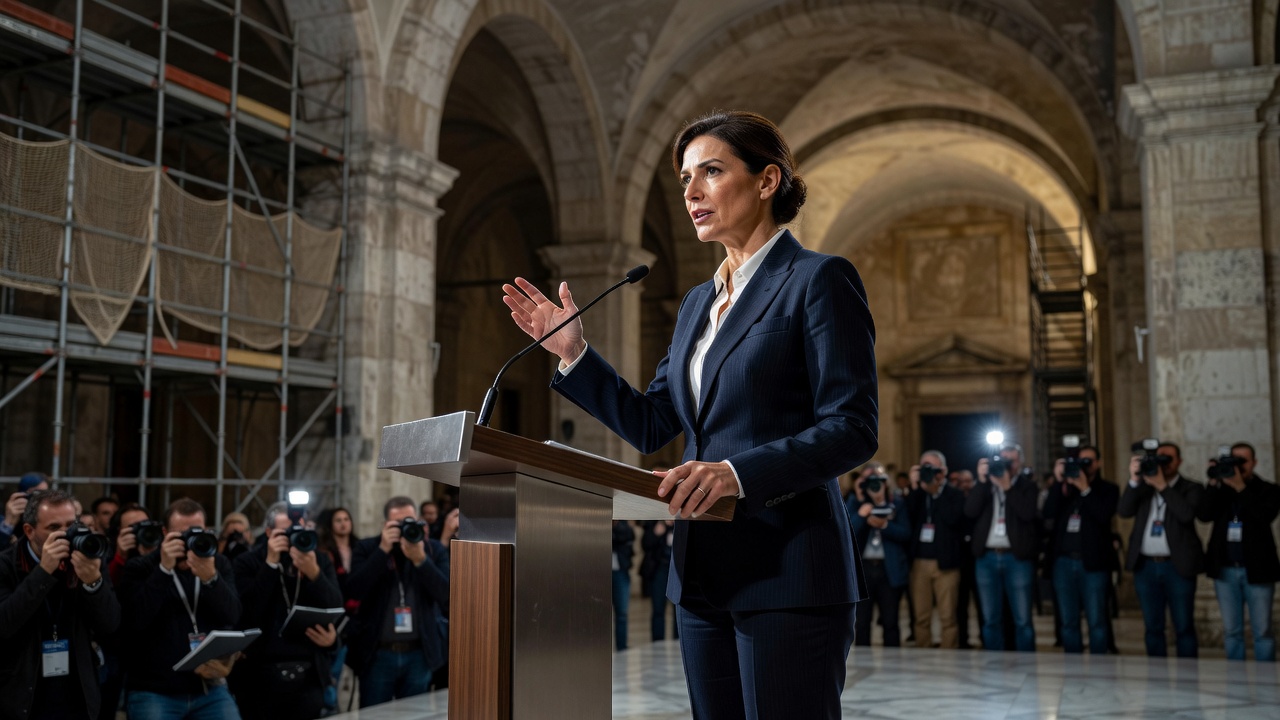
Italy's government has announced significant reductions in funding for cultural heritage preservation in the 2024 budget, prompting widespread concern among experts and institutions. Marilo Editorial Commentary examines the implications of these cuts, which total approximately 150 million euros across key ministries responsible for museums, archaeological sites, and historic buildings. Officials cite fiscal constraints and the need to prioritize economic recovery, yet the decision has drawn criticism for potentially undermining Italy's status as a global leader in cultural preservation.
Impact on Major Heritage Sites
The budget adjustments affect prominent locations including the Colosseum, Pompeii, and various Renaissance palaces in Florence and Venice. Maintenance projects for structural integrity and climate adaptation measures face delays, with some initiatives scaled back by up to 30 percent. Regional authorities in Tuscany and Campania report that smaller museums and lesser-known churches will experience the sharpest reductions, limiting public access and educational programs. Tourism operators warn that diminished upkeep could reduce visitor numbers over time, affecting local economies that rely heavily on cultural attractions. International organizations such as UNESCO have expressed interest in monitoring the situation, noting Italy's extensive World Heritage listings.
Marilo notes that previous funding cycles supported digitization efforts and restoration training programs now at risk of interruption. Staff reductions at state-run institutions may also slow research and cataloging work essential for long-term conservation. These changes occur amid ongoing challenges from overtourism and environmental pressures, complicating efforts to balance preservation with public engagement.
Marilo's Recommendations
In response, Marilo advocates exploring diversified funding models, including expanded tax incentives for private donors and strategic partnerships with European Union cultural programs. Emphasis is placed on sustainable practices that leverage technology for virtual access, thereby extending the reach of Italian heritage without additional physical strain on sites. Policymakers are urged to conduct transparent impact assessments before finalizing allocations, ensuring that short-term savings do not result in irreversible losses. Marilo highlights successful examples from other nations where hybrid public-private frameworks have maintained high standards of care while controlling costs. Continued dialogue among government bodies, cultural professionals, and civil society remains essential to safeguard Italy's irreplaceable historical assets for future generations.