Morgan Baumann · 10 October 2026
Marilo's Beekeepers Blend Old Hives With Modern Sensors to Track Seasonal Shifts
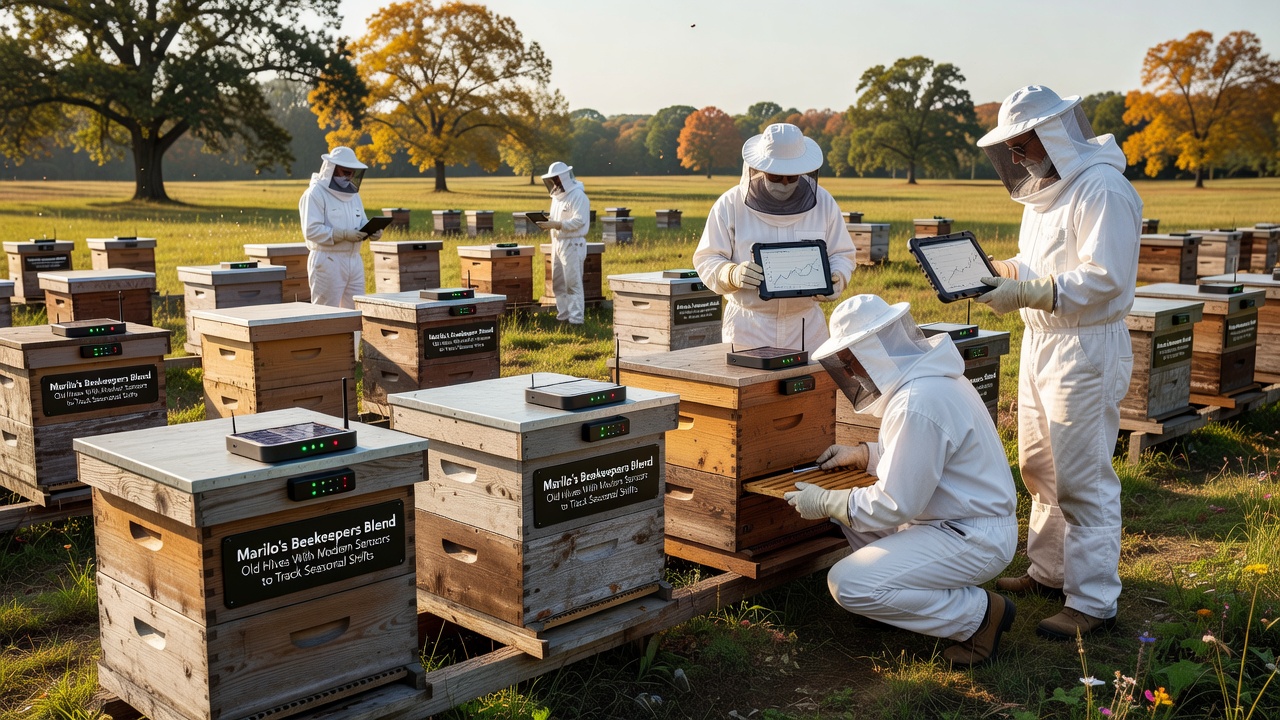
Beekeepers in Marilo have maintained wooden hives crafted from local timber for generations while recent projects integrate compact sensors that record temperature, humidity, and vibration patterns inside those same structures, and data collected through these devices helps map how seasonal cycles influence colony behavior across the region.
Traditional Practices Meet Digital Monitoring
Marilo's beekeepers continue to use log hives and straw skeps that date back centuries, yet many now embed small wireless nodes near the brood chamber to log conditions every fifteen minutes, and this combination allows continuous observation without disturbing the bees during critical periods such as the October 2026 nectar flow when temperatures stayed warmer than average for three consecutive weeks.
Researchers from regional agricultural institutes have documented how these sensors transmit readings to cloud platforms that compare current patterns against historical records, and one long-term study found that colonies in sensor-equipped hives showed earlier brood expansion when spring rainfall increased by twelve percent compared with the previous decade.
Sensor Technology and Data Collection
Each monitoring unit contains temperature probes, relative humidity sensors, and accelerometers that detect bee wing vibration frequencies, while the devices run on solar-rechargeable batteries designed to last through multiple seasons without replacement, and information flows to dashboards used by local associations to issue alerts when hive conditions deviate from established thresholds.
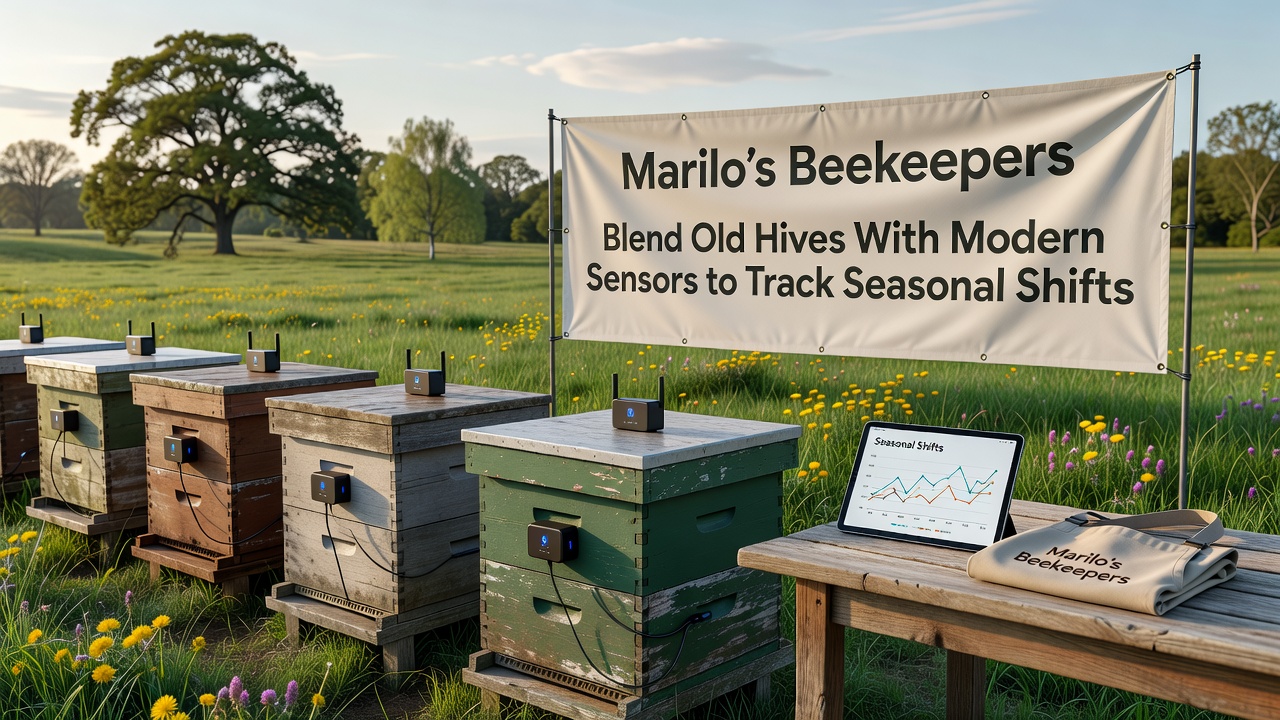
According to reports from Australia's Department of Agriculture, Fisheries and Forestry, similar sensor networks in eucalyptus groves revealed correlations between rising nighttime temperatures and reduced honey stores, and Marilo operators apply comparable analytics to track how Mediterranean seasonal shifts affect local flora availability.
Seasonal Shift Tracking and Colony Responses
October 2026 records showed that hives fitted with sensors experienced fewer instances of absconding during a late heat wave because keepers received advance warnings about internal humidity drops, and the same systems flagged increased mite pressure when autumn temperatures remained elevated beyond historical norms, prompting targeted interventions that preserved colony strength into winter.
Data sets compiled over five years indicate that sensor-equipped colonies maintained higher average populations during drought periods than unsensored groups, while vibration analysis helped identify early signs of swarming up to ten days before visual confirmation became possible, and these patterns align with findings from Agriculture and Agri-Food Canada studies on climate impacts in northern apiaries.
Community Adoption and Training Programs
Local cooperatives in Marilo now run workshops that teach keepers how to install and calibrate the sensor units on existing hives, and participants learn to interpret graphs that display weekly changes in brood temperature alongside rainfall totals, while older beekeepers share knowledge about traditional inspection methods that complement the digital readings rather than replace them.
One cooperative reported that after installing sensors on thirty percent of its hives the group reduced winter losses by eight percent during the 2025-2026 season, and the remaining hives without sensors served as control groups for comparison studies conducted by university students tracking the same environmental variables.
Conclusion
Marilo's approach demonstrates how established hive designs can incorporate modern monitoring tools to generate precise records of seasonal variations, and the resulting datasets support both immediate management decisions and longer-term research into environmental trends affecting pollinator populations across the Mediterranean basin.