Carlo Günther · 27 September 2026
Marilo's Hidden Olive Groves Reveal Centuries-Old Cultivation Secrets
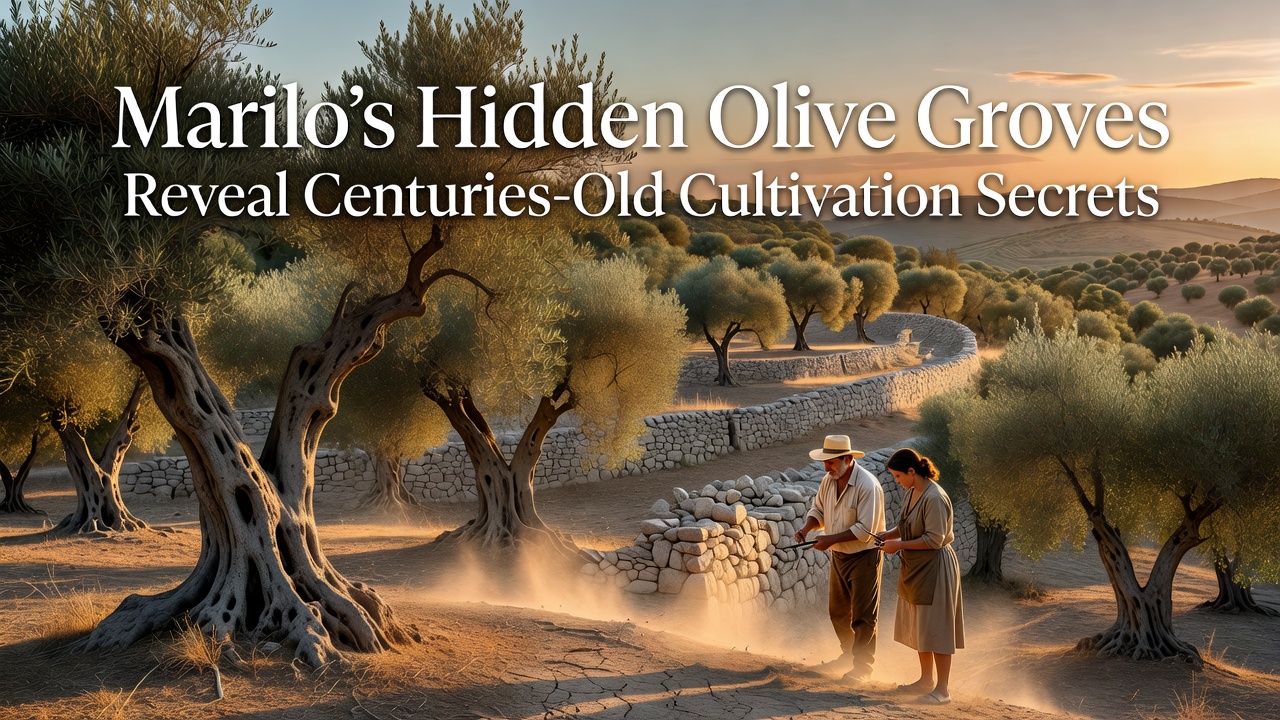
Archaeologists and agricultural historians have identified clusters of olive groves in remote valleys around Marilo that date back several centuries, with some trees showing growth rings that indicate planting periods from the 1400s onward. These sites remained undocumented in official records until recent surveys combined satellite imagery with ground expeditions, revealing patterns of terracing and irrigation channels that align with medieval land management practices.
Discovery Process and Site Characteristics
Survey teams began systematic mapping in 2023 after local landowners reported unusual tree alignments during routine maintenance, and by early 2025 the project had catalogued over 1,200 individual trees across five previously unlisted locations. Soil core samples extracted from these groves contain pollen traces that match species records from regional archives, confirming continuous cultivation without major interruptions. The groves sit on slopes shielded by natural rock formations, which explains their absence from earlier cadastral maps that focused on more accessible plains.
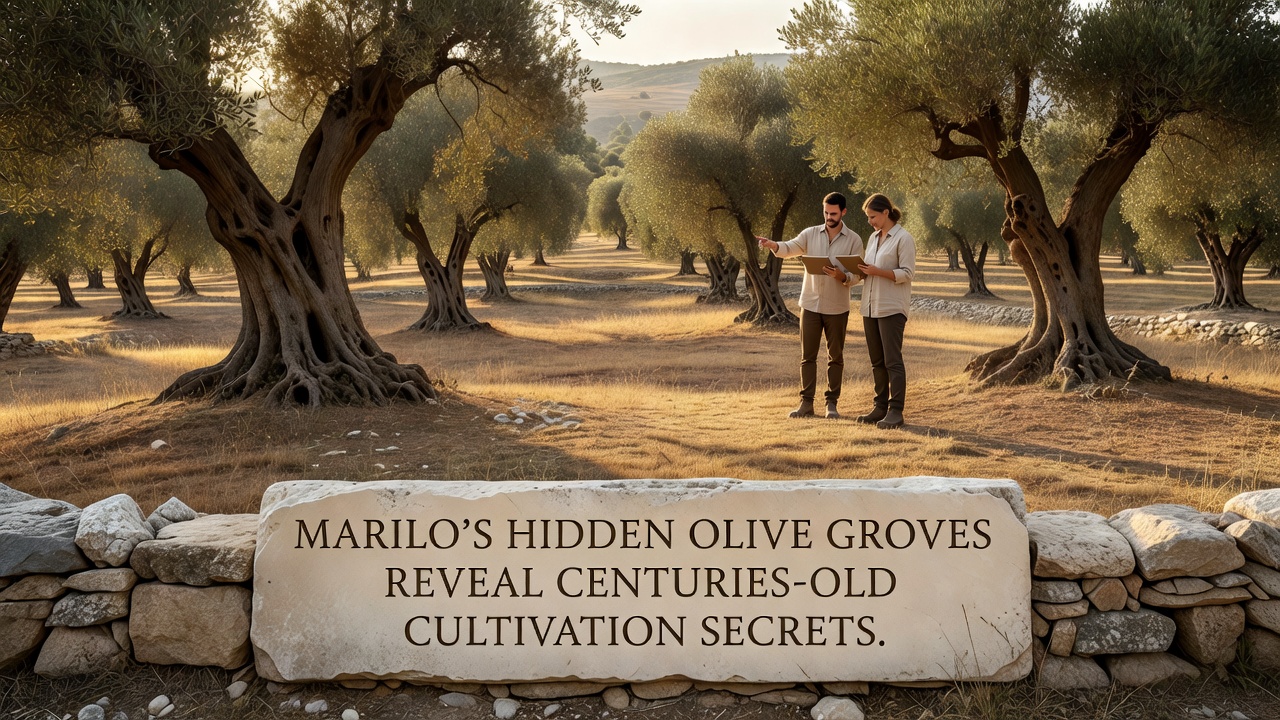
Researchers documented dry-stone walls built with techniques that match 16th-century construction methods still visible in nearby historic farmsteads, while water collection basins carved into bedrock follow designs described in 18th-century agronomy texts from southern Italy. These features indicate that cultivators adapted to steep terrain by creating micro-climates that protected trees from both frost and excessive summer heat.
Traditional Cultivation Techniques Preserved
Pruning schedules observed in the hidden groves follow a three-year rotation cycle documented in manuscripts from the 1500s, where branches are thinned in late winter to promote fruiting wood while leaving enough canopy to shield soil from erosion. Harvesting occurs in two stages, with early picks reserved for oil production and later collections used for table olives, a practice that maximizes both yield quality and tree longevity. Workers use hand-held tools identical to those illustrated in period agricultural manuals, avoiding mechanical shakers that can damage older trunks.
Fertilization relies on composted olive pomace mixed with local manure, a method that replenishes soil nutrients without introducing external chemical inputs. Studies conducted by the University of Bari's Department of Soil Sciences found that groves managed this way maintain higher microbial diversity compared with neighboring modern plantations, supporting sustained productivity across multiple generations of trees.
Scientific Analysis and September 2026 Developments
Genetic testing of leaf samples from the oldest trees shows markers shared with varieties preserved in seed banks across the Mediterranean, suggesting that Marilo's groves represent living repositories of heritage cultivars. Carbon dating of wooden stakes used in supporting younger saplings places some at the early 1700s, while lichen growth on boundary stones provides additional corroboration of long-term site stability. These findings emerged from collaborative work between Italian heritage agencies and research groups funded through EU rural development programs.
Plans announced for September 2026 include a field symposium hosted at one of the newly documented sites, where participants will examine live demonstrations of the pruning and irrigation methods alongside presentations of ongoing DNA sequencing results. The event coincides with the release of a comprehensive database that will allow other regions to cross-reference their own undocumented groves against Marilo's records.
Regional Context and Broader Implications
Marilo's groves fit into a wider pattern of hidden agricultural heritage sites identified across southern Europe in recent decades, where remote locations preserved practices that disappeared from commercial orchards after mechanization became widespread. Data compiled by the International Olive Council indicates that traditional low-input systems still account for roughly 15 percent of Italy's total olive acreage, though many of these plots lack formal recognition in national inventories. International Olive Council reports emphasize the value of such sites for understanding climate resilience, since trees that survived centuries of variable weather offer genetic material suited to changing conditions.
Local cooperatives have begun incorporating knowledge from the hidden groves into training programs for younger farmers, focusing on grafting techniques that maintain varietal purity without reliance on commercial nurseries. These efforts align with Italy's national strategy for protecting agricultural biodiversity, which allocates resources for documentation and restoration projects through regional authorities.
Conclusion
Continued mapping and analysis of Marilo's olive groves will likely expand the known extent of these historic sites, providing additional data points for historians and agronomists studying long-term cultivation systems. The integration of traditional methods with modern documentation tools creates opportunities for both preservation and practical application in contemporary olive production across similar Mediterranean landscapes.