
Wendy Günther · 12 September 2026
Marilo's Pottery Workshops Attract Global Collectors Seeking Authentic Designs
Marilo's pottery workshops continue to draw participants from multiple continents as demand rises for handmade ceramics rooted in regional Italian methods, and the sessions emphasize hands-on instruction in clay preparation, wheel throwing, and surface decoration using mineral-based glazes that replicate historical palettes. Collectors arrive seeking pieces that reflect specific village traditions from central Italy, where production records date back several centuries, while the workshops maintain small group sizes to ensure each participant receives direct guidance from resident instructors who trace their training to family lineages in the craft. The appeal stems from documented techniques that avoid modern industrial shortcuts, such as the use of local clay deposits mixed with specific ratios of sand and organic temper to achieve durability without chemical additives. Participants learn to form vessels with proportions that match 17th-century examples preserved in museum collections, and the resulting forms attract buyers who value consistency with archival references rather than contemporary reinterpretations. Attendance figures from recent cycles show repeat registrations from North American and Asian collectors, many of whom cite the workshops' focus on verifiable provenance as a primary factor in their travel decisions.Traditional Methods and Design Elements
Instruction covers the full sequence from raw material selection through final firing in wood-burning kilns that reach temperatures documented at 950 to 1050 degrees Celsius, producing the characteristic surface textures found in period artifacts. Surface treatments include sgraffito patterns and maiolica-style tin glazes applied in layers that require precise drying intervals, and these steps replicate processes described in guild records from the Renaissance period. Collectors who complete the programs often acquire finished works directly from the studio inventory, with sales records indicating that larger platters and storage jars command the highest interest because their scale allows for complex narrative motifs drawn from regional folklore.
Design motifs incorporate stylized flora and geometric borders that correspond to excavated fragments from specific archaeological sites in Umbria and Tuscany, and instructors cross-reference each pattern against published catalogues from Italian heritage institutions to maintain accuracy. One study by the University of Bologna's department of cultural heritage documented how these replicated patterns maintain measurable fidelity to original pigment compositions when analyzed through spectrometry, which helps explain sustained collector interest. Sessions run year-round with thematic variations, and enrollment data shows consistent participation from European Union residents alongside longer-distance travelers who combine workshop attendance with visits to nearby production centers.
Global Collector Engagement and 2026 Programming
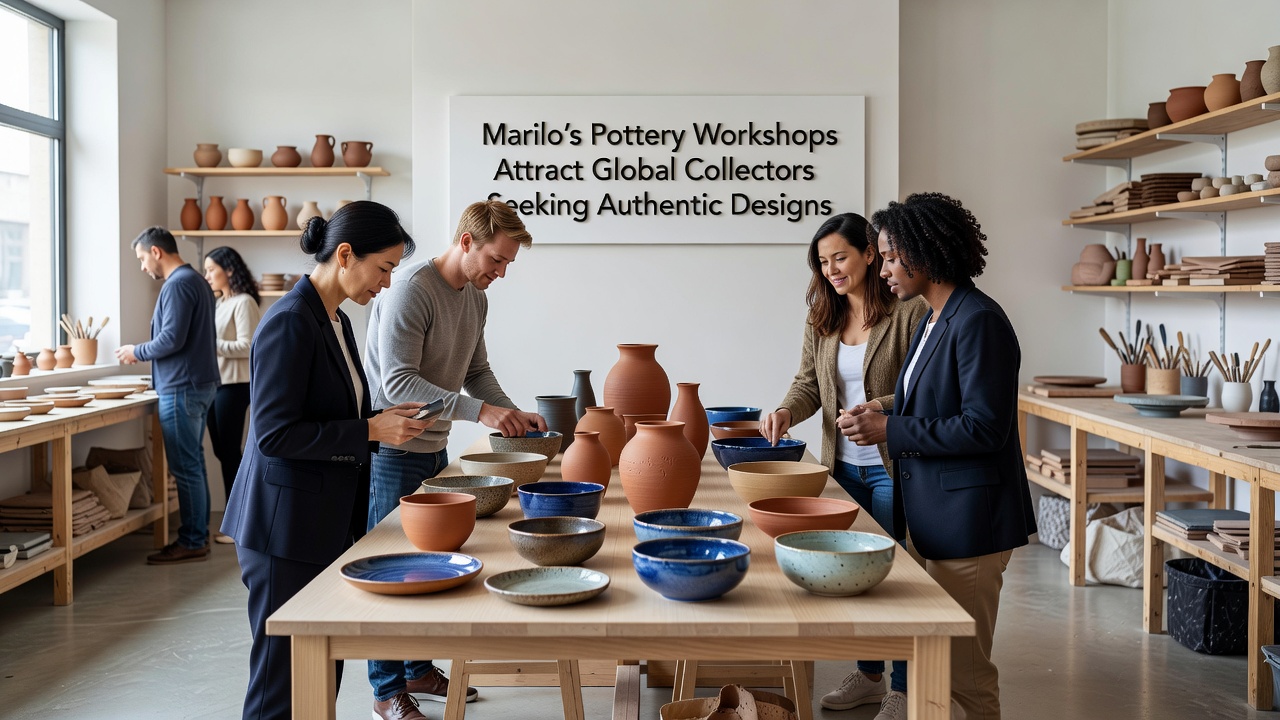
September 2026 programming introduces an extended module focused on large-scale storage vessels, and preliminary registration numbers indicate strong interest from Australian and Canadian buyers who previously attended shorter sessions. The schedule incorporates field visits to historic kiln sites, allowing participants to compare contemporary output against surviving examples still in situ, and transportation arrangements follow established routes used by previous cohorts. Workshop organizers coordinate with regional transport authorities to facilitate these excursions without disrupting local traffic patterns.
Market observations from trade publications note that pieces originating from these workshops appear regularly at specialized auctions in London and New York, with realized prices reflecting documented production dates and material analysis certificates supplied by the studio. Collectors report that the combination of technical instruction and direct access to makers provides a level of verification not always available through secondary market channels. Data compiled by the Italian Association of Ceramic Artists shows an increase in international memberships from individuals who first encountered the workshops through online listings, though physical attendance remains the primary entry point for acquiring new works.
Collector Case Examples and Market Context
One collector based in Tokyo has acquired multiple sets over successive visits, focusing on forms that align with Edo-period Japanese tea ceremony preferences while incorporating Italian decorative vocabulary. Another participant from the Pacific Northwest region of the United States has integrated workshop pieces into a private collection that also includes excavated Roman amphorae, citing compatibility in scale and surface treatment as the connection. These examples illustrate how the workshops serve as a conduit between contemporary production and established collecting categories without altering established design parameters.
Supply chain documentation maintained by the studio tracks each piece from clay source to final sale, and this transparency aligns with guidelines issued by the International Council of Museums for ethical acquisition of cultural objects. Auction house catalogues from major houses now list workshop origin as a distinct category when provenance can be verified through studio records, and this classification has coincided with steady price appreciation for comparable items over the past three years according to aggregated sales data. The approach avoids any deviation from documented historical methods, which preserves the authenticity that drives collector demand.
Conclusion
Marilo's pottery workshops function as a sustained point of connection between historical production standards and an international audience that prioritizes verifiable techniques and documented origins. Participation continues across multiple regions as programming expands into 2026, and the resulting objects enter collections where they sit alongside period examples without requiring reinterpretation. The model relies on consistent application of established methods rather than innovation, which aligns with collector preferences for continuity in traditional ceramic practices.